Haiper
Text-to-video and image-to-video generation aimed at creators and motion experiments.
Evaluation
What to know
Best for
- Creators prototyping short AI video clips
- Marketers testing motion concepts cheaply
- Teams exploring image-to-video from product stills
Not ideal for
- Feature-film or high-end VFX pipelines
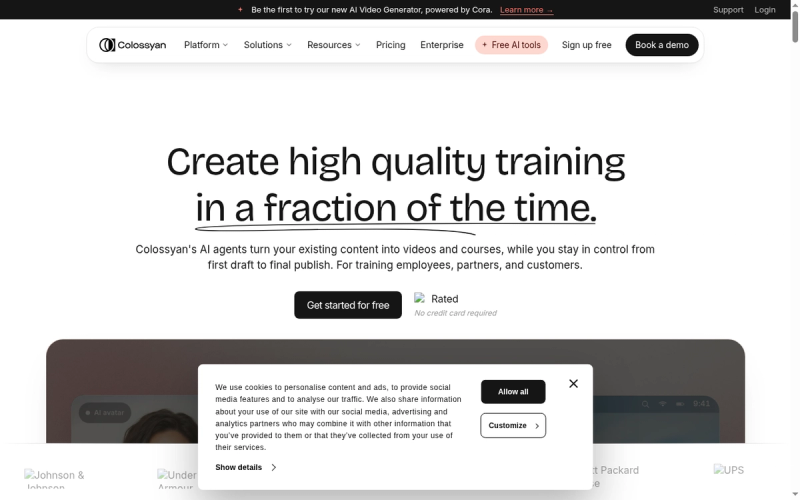
- Corporate avatar training videos (see Colossyan)
- Editors who need timeline-first post tools
Key features
- Text-to-video generation
- Image-to-video motion from stills
- Creator-focused free and low-cost plans
- Short-form social and marketing clip workflows
- Enterprise options for higher volume
Pros
- Approachable pricing vs heavyweight video suites
- Useful for rapid motion ideation
- Image-to-video helps reuse existing stills
Cons
- Long-form narrative consistency still limited
- Plan limits and rights need live verification
- Not a full editor like Descript/CapCut
ToolifyNav verdict
Haiper is the approachable text/image-to-video experimenter for short clips. Runway and Luma push higher-end creative control; Kling and Hailuo fight model aesthetics; Colossyan solves avatar training videos instead. Use Haiper to draft motion ideas quickly, then verify commercial rights and resolution caps on your plan before a client publish. Keep outputs short, rights-checked, and editorially selected; treat Haiper as a motion sketchbook, not a final cut room. Revisit the listing after your first real project week with notes on what broke, what scaled, and what stayed unused.
About
About Haiper
Haiper is a generative video platform offering text-to-video and image-to-video for creators experimenting with short motion clips. The company positions accessible generation for marketing drafts, social motion, and creative prototyping rather than full Hollywood pipelines. Public materials commonly mention a free tier plus Explorer around $10/mo and Pro around $24/mo with enterprise custom — confirm on haiper.ai because generative video pricing moves quickly.
Quality and control vary by prompt, seed image, and length limits. Like peers, Haiper is strongest for short clips and ideation; longer narrative consistency and brand-safe characters still need human direction or specialist tools. Watermarks, resolution caps, and commercial rights typically differ by plan.
Haiper competes with Runway, Pika, Luma, Kling, and Hailuo. Prefer Haiper for lightweight creator experimentation at lower sticker prices; prefer Runway for mature creative suites; prefer Kling/Luma when specific model aesthetics win. Always re-read commercial-use terms before client delivery. Motion designers should budget time for manual frame picks and audio sync after generation — Haiper accelerates ideation more than it replaces editorial craft.
Related
More in Video & Animation
Same category — not a curated competitor list.

Discover More
Weekly digest
Get weekly AI tools + hands-on reviews
A short digest of new tools and hands-on breakdowns — unsubscribe anytime.