Pencil
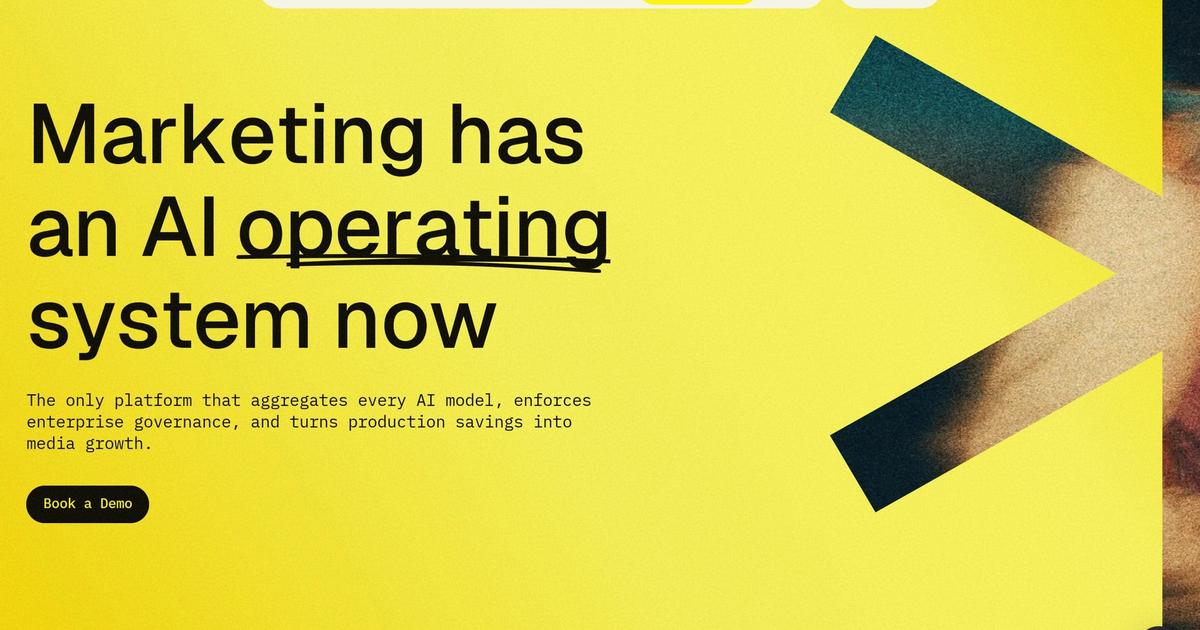
Generative ad platform that routes OpenAI, Google, Adobe, Runway and Stability models through one governed workspace for marketing teams.
Evaluation
What to know
Best for
- Brand and performance teams producing paid social creative at volume
- Enterprises needing governed access to multiple gen-AI models
- Agencies running multi-market ad variations
Not ideal for
- Solo creators making occasional social posts
- Teams wanting a pure design tool without ad integrations
- Organizations unwilling to manage credit-like generation quotas
Key features
- Single workspace across OpenAI, Google Veo, Adobe, Runway and Stability models
- Self-serve agents for text, image, video and ad creative
- Pre-launch AI predictions and creative scores
- Direct launch and tracking on Meta, TikTok, YouTube, Google DV360/GDN, LinkedIn
- Enterprise governance: SOC 2 Type II, no-train, IP ownership, role access
Pros
- Avoids lock-in to a single generative model vendor
- Connects creative generation to ad delivery and results
- Governance features suit legal and procurement reviews
Cons
- Low self-serve generation caps (50 or 250 a month)
- Most enterprise value sits in custom-priced Pro
- Heavier platform than freelancers usually need
ToolifyNav verdict
Pencil is built for the marketing department that has already decided generative creative is part of the workflow and now needs it to behave — multiple models, one brand library, approvals, and a straight line from asset to ad account. The model-agnostic stance is sensible in a market where the best video engine changes every quarter. The self-serve tiers are inexpensive but tightly metered, which makes them a trial more than a production plan; serious buyers will end up in Pro conversations. Enterprises comparing gen-AI ad platforms should put the governance terms and the performance-prediction layer at the center of the evaluation.
About
About Pencil
Pencil calls itself the AI operating system for marketing, and the description is closer to orchestration than to a single creative model. The platform aggregates image, video and text models from OpenAI, Google (including Veo), Adobe, Runway and Stability AI behind one interface, so brand teams can pick the right model for a job and adopt new ones as they launch without re-procuring tools.
Production happens through self-serve agents that generate text, images, video and ad creatives, plus editors for drag-and-drop layouts, video, interactive display ads and email. Designers can import from Figma, Photoshop and After Effects. Pencil also scores creative before launch with AI predictions and insights, then pushes ads to Facebook, Instagram, TikTok, YouTube, Google Display, DV360 and LinkedIn and reports results in a dashboard — closing the loop between generation and performance.
Enterprise features are a large part of the pitch: SOC 2 Type II audits, a no-train policy for customer data, full IP ownership of outputs, role-based access, brand-safety controls, and on the Pro tier bulk generation from product and audience feeds, IP indemnification and data ringfencing. Pencil cites customers such as Unilever, Salomon, William Grant & Sons and Japan Airlines.
Self-serve plans are priced by monthly "generations," while Pro is a custom enterprise contract with managed pilots, fine-tuning and training programs.
Related
More in Marketing & Advertising
Same category — not a curated competitor list.

Discover More
Weekly digest
Get weekly AI tools + hands-on reviews
A short digest of new tools and hands-on breakdowns — unsubscribe anytime.