Iris.ai
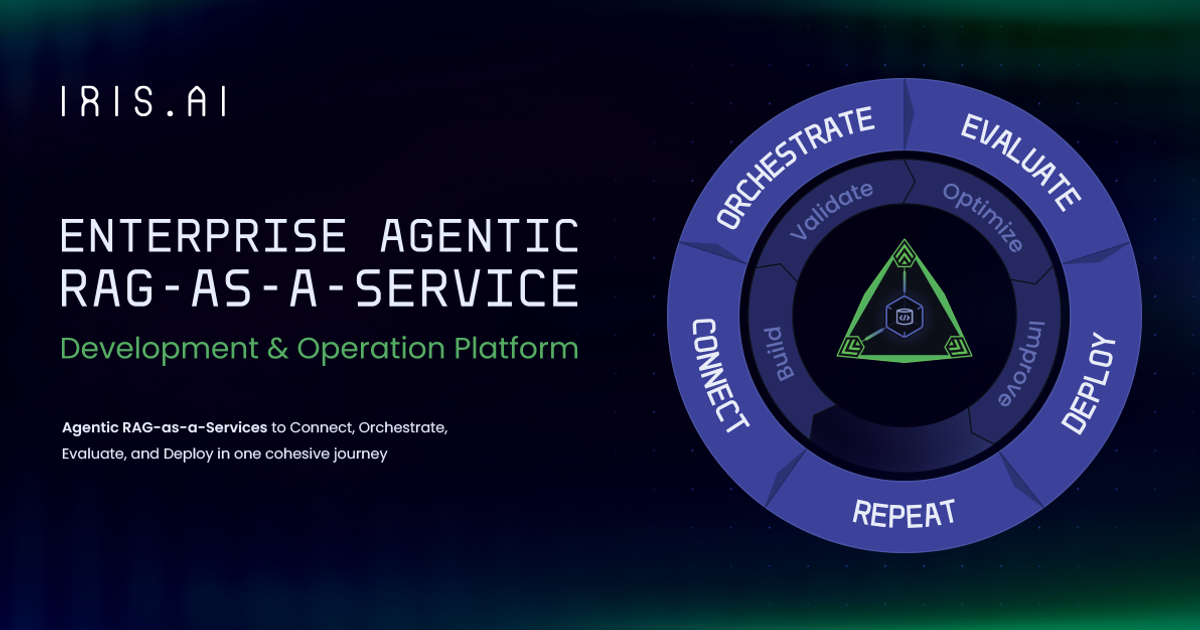
AI scientific literature discovery engine that helps researchers map domains, extract key findings, and conduct systematic research reviews.
Evaluation
What to know
Editorial notes based on the vendor's own documentation and public pricing, plus hands-on testing where a score or review is shown above. They describe fit for a job, not absolute quality.
Best for
- Academic researchers conducting formal systematic literature reviews and meta-analyses
- Corporate R&D teams in biotech, materials science, and pharmaceuticals exploring new domains
- Graduate students needing a comprehensive overview of unfamiliar scientific territory
Not ideal for
- Undergraduate students looking for quick, simple essay summaries
- General business professionals seeking market news rather than peer-reviewed science
Key features
- Semantic knowledge graph mapping of millions of peer-reviewed scientific papers
- Focus tool generating visual concept maps and contextual document clusters
- Automated Systematic Literature Review (SLR) screening and data extraction pipeline
- Integration with major open-access repositories (CORE, PubMed, arXiv) and internal PDFs
- Fact-checking and citation tracing with transparent provenance for all summarized claims
Pros
- Uncovers non-obvious interdisciplinary research connections missed by traditional keyword queries
- Significantly speeds up the tedious screening phase of systematic literature reviews
- Designed specifically for scientific rigor rather than generic, hallucination-prone web summaries
Cons
- Complex interface with a steep learning curve compared to simple consumer chat tools
- Access to full text can still be limited by external publisher paywalls unless institutionally linked
- Full researcher workspace features require premium or enterprise institutional licenses
ToolifyNav verdict
Iris.ai is a specialized research discovery workbench engineered for researchers and R&D organizations tackling massive, complex scientific literature bases. By emphasizing semantic concept mapping and structured systematic literature reviews rather than superficial conversational chat summaries, it enables scientists to uncover non-obvious interdisciplinary connections and extract experimental data with high academic rigor. The interface requires an initial investment in learning its specialized tools, but for biotech firms, materials research labs, and academic scholars conducting formal literature surveys, Iris.ai is an exceptionally powerful discovery engine.
About
About Iris.ai
Iris.ai is an advanced scientific research assistant and discovery engine built specifically for academic researchers, R&D departments, and corporate innovation teams. Navigating millions of peer-reviewed papers across open-access databases and proprietary institutional repositories, Iris.ai uses natural language processing and semantic knowledge graphs to help scientists identify relevant studies, map unfamiliar technical disciplines, and synthesize scientific consensus.
The platform's flagship feature, the Focus tool, allows researchers to input a problem statement, thesis abstract, or collection of benchmark papers to generate visual concept maps of the scientific landscape. Rather than relying on simple keyword matching, Iris.ai examines contextual semantic relationships between concepts, surfacing interdisciplinary connections that traditional Boolean database searches routinely miss.
In addition to discovery, Iris.ai includes an automated Systematic Literature Review (SLR) workbench that assists with screening papers against inclusion criteria, extracting data points from tables, and summarizing experimental methodologies. This drastically reduces the time required to complete literature reviews from months to days, making it an invaluable platform for pharmaceutical researchers, materials scientists, and academic scholars.
Related
More in Research & Data Analysis
Same category — not a curated competitor list.

Discover More
Weekly digest
Get weekly AI tools and hands-on reviews
A short digest of new tools and hands-on breakdowns. Unsubscribe anytime.