Rodin
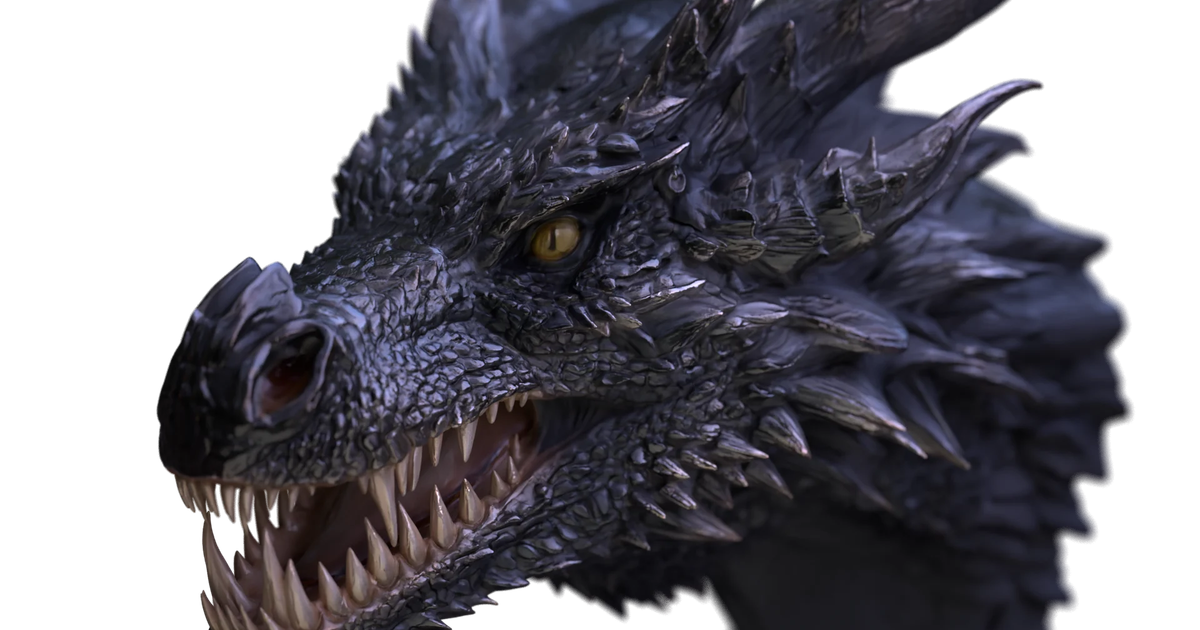
Generative AI 3D foundation model developed by Deemos that converts text descriptions and reference images into detailed digital meshes.
Evaluation
What to know
Editorial notes based on the vendor's own documentation and public pricing, plus hands-on testing where a score or review is shown above. They describe fit for a job, not absolute quality.
Best for
- Game developers and indie studios rapid-prototyping background props
- Concept artists turning 2D visual sketches into 3D volume drafts
- XR and spatial computing creators building 3D scene environments
Not ideal for
- Mechanical engineering or CAD projects requiring exact parametric tolerances
- Production-grade hero character models needing hand-retopologized edge loops
Key features
- Text-to-3D and image-to-3D generation pipelines
- PBR texture generation including normal, roughness, and metallic maps
- Standard industry export formats (GLB, FBX, and OBJ)
- Multi-angle consistency with volumetric diffusion models
- In-browser 3D inspection and quick refinement toolset
Pros
- Generates clean base geometry much faster than manual polygon modeling
- Includes full PBR texture maps ready for game engine import
- Supports image-guided generation for matching concept art
Cons
- Complex geometric shapes or moving parts often require manual cleanup in Blender
- Topology is not always optimized for deformation-heavy character rigging
- Credit consumption increases rapidly when requesting high-resolution mesh detail
ToolifyNav verdict
Rodin represents a major technological leap for generative 3D modeling, offering a practical bridge between 2D concept sketches and usable polygonal meshes. Its primary value lies in rapid ideation and background prop generation, where its automated PBR texture passes and fast multi-view synthesis significantly compress initial prototyping timelines for indie game developers and XR environments. However, technical artists should expect to perform topology cleanup and edge-loop adjustments in Blender before using generated models for deformation-heavy character animation. For creative teams looking to populate virtual worlds quickly without blocking out every primitive by hand, Rodin provides substantial operational leverage.
About
About Rodin
Rodin is a generative 3D modeling platform built by Deemos that enables 3D designers, game developers, and digital artists to generate production-ready 3D models from simple text prompts or single reference images. Rather than producing flat 2.5D representations, the underlying diffusion architecture directly outputs true volumetric geometry with standard UV mapping and physically-based rendering (PBR) texture layers.
The engine is engineered specifically for digital production pipelines. It supports multi-view synthesis, symmetry preservation, and rapid generation times that typically take under two minutes per asset. Once created, models can be downloaded in common industry formats including GLB, OBJ, and FBX, making them immediately importable into Blender, Unreal Engine, Unity, and Maya for rigging, animation, or scene population.
In addition to base mesh generation, Rodin features fine-tuning controls that allow creators to specify topological fidelity, surface detail, and material roughness. It significantly compresses the early prototyping phase of 3D asset creation, serving concept artists who need to visualize objects in physical space without spending days manually blocking out polygonal primitives.
Related
More in Art & Creative Design
Same category — not a curated competitor list.
Discover More
Weekly digest
Get weekly AI tools and hands-on reviews
A short digest of new tools and hands-on breakdowns. Unsubscribe anytime.