Scholarcy
AI article summarizer that extracts flashcards, references, and structured research notes.
Evaluation
What to know
Best for
- Students digesting many papers quickly
- Researchers building flashcard literature notes
- Writers extracting structured takeaways from PDFs
Not ideal for
- Teams needing citation statement checking (see Scite)
- People who only want paper recommendation graphs
- Labs requiring private on-prem NLP
Key features
- PDF/article to structured flashcard summaries
- Key points, figures, and reference extraction
- Research library of summarized cards
- Free tier plus affordable Premium
- Export-friendly academic note workflows
Pros
- Cheap Premium relative to many research AIs
- Flashcard structure beats blob summaries
- Useful for student literature review pace
Cons
- Not a full systematic-review methodology tool
- Summaries can miss nuance — verify claims
- Discovery/recommendation features trail graph tools
ToolifyNav verdict
Scholarcy is the affordable structured-summary research helper: flashcards from papers, not a full evidence synthesis suite. Genei expands into writing workspace; Elicit answers research questions; Scite checks citation context. Use Scholarcy to accelerate first-pass reading, then verify critical claims in the source PDF before they enter a manuscript. Export cards into your real note system early so Scholarcy remains a reading accelerator rather than a second abandoned library. Revisit the listing after your first real project week with notes on what broke, what scaled, and what stayed unused.
About
About Scholarcy
Scholarcy summarizes research articles and reports into structured flashcards, highlighting key points, figures, and references so literature review goes faster. Students and researchers upload PDFs or share links; Scholarcy returns digestible cards rather than a single opaque paragraph. A free tier exists; Premium is commonly listed from about $4.99/mo — confirm on scholarcy.com.
The tool is built for academic reading throughput: extract claims, build a library of cards, and export notes into your writing workflow. It is not a citation-integrity auditor like Scite, nor a semantic paper recommender like ResearchRabbit or Connected Papers, though it pairs well with those discovery tools.
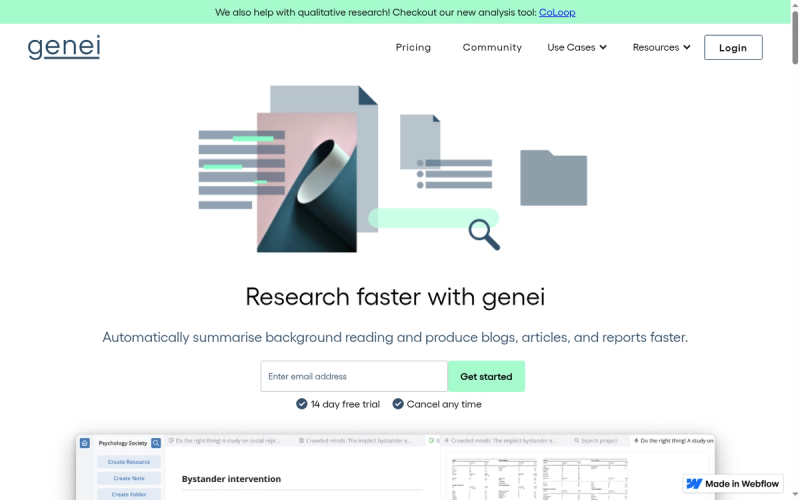
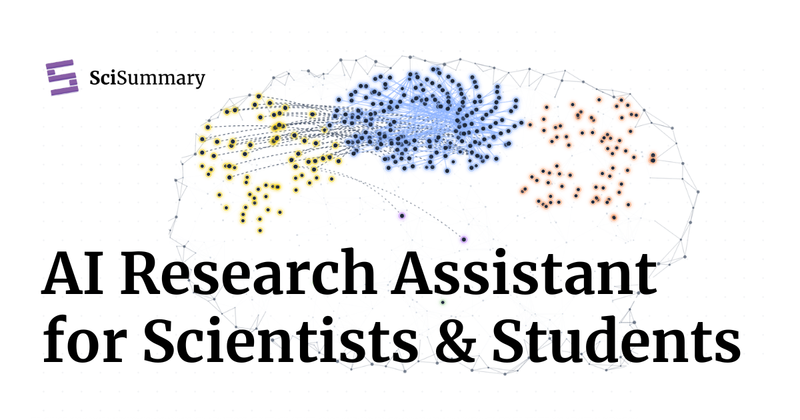
Scholarcy competes with Explainpaper, SciSummary, Genei, Elicit, and SciSpace. Prefer Scholarcy for structured flashcard digests; prefer Elicit for systematic review question answering; prefer Genei for an all-in research writing workspace. Always spot-check summaries against the PDF — compression errors still happen. Graduate students often pair Scholarcy cards with a citation manager so flashcard speed does not disconnect from the bibliographic record they will eventually submit.
Related
More in Research & Data Analysis
Same category — not a curated competitor list.
Discover More
Weekly digest
Get weekly AI tools + hands-on reviews
A short digest of new tools and hands-on breakdowns — unsubscribe anytime.